OTT is the technology behind every streaming app you use – and the opportunity behind every brand launching one. Here is what it means, how it works, and why it matters in 2026.
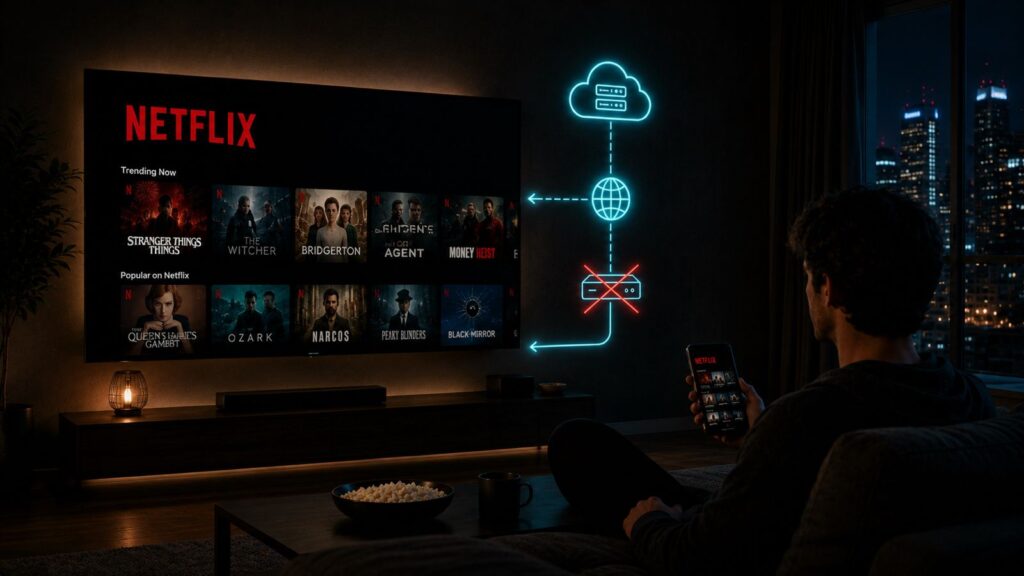
OTT stands for “over-the-top,” and it describes any video delivered directly over the internet rather than through traditional cable or broadcast. Every time you open a streaming app instead of flipping channels, you are using OTT. The term sounds technical, but the idea is simple: content reaches the viewer over the top of the old distribution gatekeepers.
This guide explains what OTT is, how it differs from related terms, the business models behind it, and why launching an OTT platform has become a realistic move for studios, creators, and brands – not just streaming giants.
What OTT Actually Means
OTT is any video or streaming service delivered directly over the internet, bypassing cable, satellite, and broadcast entirely.
The “over-the-top” name refers to going over the top of traditional distribution. Instead of a cable company controlling what reaches your screen, content travels straight over the internet to any connected device – phone, smart TV, tablet, or browser.
That shift removed the gatekeepers. Anyone with content and the right platform can now reach viewers directly, which is why OTT has reshaped entertainment economics in a decade.
OTT vs. Streaming vs. CTV – The Terms Untangled
OTT is the delivery method, streaming is the experience, and CTV is one of the screens it plays on – related, but not interchangeable.
Streaming describes watching content in real time over the internet. OTT describes the delivery model that bypasses traditional distribution. CTV – connected TV – refers specifically to the smart-TV screens OTT content often plays on.
In short: OTT content is streamed, and it frequently plays on CTV devices, but each term highlights a different part of the same modern viewing stack.
How OTT Platforms Make Money
OTT supports several revenue models, and most successful platforms blend more than one.
The main models are subscription (SVOD), advertising-supported (AVOD), transactional or pay-per-view (TVOD), and free ad-supported channels (FAST). Each suits a different audience and content type, and many platforms combine them to maximise reach and revenue.
The right mix depends on your content and audience – a niche library may thrive on subscriptions, while broad content often monetises better with advertising.
Why Brands and Studios Are Launching Their Own OTT
Owning an OTT platform means owning the audience relationship, the data, and the revenue – instead of renting all three from a third-party giant.
Publishing to someone else’s platform means accepting their rules, their cut, and their ownership of the viewer relationship. A branded OTT app flips that: the audience, the data, and the monetisation belong to you.
What once required a large engineering team is now achievable with white-label platforms, which is why studios, creators, and brands are increasingly launching their own apps rather than depending on aggregators.
Is Launching an OTT Platform Realistic in 2026?
Launching a branded streaming app no longer takes months of engineering – modern white-label platforms make it a matter of days.
The barrier used to be technical: building streaming infrastructure, apps for every device, and a monetisation system from scratch. White-label OTT platforms now provide all of that, letting you focus on content and audience instead of code.
For anyone with a content library and an audience, OTT has moved from an enterprise project to an accessible business move.
| Related reading on CineVision |
| Own your audience, data, and revenue. See how TallTale launches your branded OTT platform in days. Explore CineVision TallTale. |