A rough cut is the first version of an edit that plays like a real film. The shots are in the right order, the story can be followed from start to finish, and almost everything else is unfinished. It is also the version people most often review badly, because they judge a sketch as though it were a finished painting.
This guide explains what a rough cut contains, what reviewers should focus on and ignore, who should see it, how to write notes an editor can act on, and how to compare each new cut against the last. It is the first of three linked guides on the cuts that lead to a locked film: the fine cut comes next, and picture lock ends the picture edit.
Key takeaways
- A rough cut is the first edit that resembles the finished program, with scenes in approximate order and approximate trims.
- Sound, music, graphics, effects and color are usually unfinished at this stage, so judge story, structure and clarity rather than polish.
- Keep the first audience small, and give notes tied to a timecode on a named version.
- Notes should describe the problem the viewer experienced, not dictate the fix.
- Every new cut should be compared against the previous one, so reviewers can see what changed instead of trusting memory.
Table of contents
What is a rough cut?
According to Wikipedia's entry on the rough cut, it is the second of three stages of offline editing, and the first stage in which the film begins to resemble its final product. It may contain notable errors, may not flow well from scene to scene, may lack music, sound effects and visual effects, and still goes through many significant changes before release.
The same page describes what is typically in place. Selected shots have been moved from shooting order into approximately the order they will appear in the final film, with approximate trimming. Dialogue and sound effects are often incomplete, titles, graphics, effects and composites are usually placeholders, and color is generally untreated.
Different teams use different names for early cuts. Wikipedia's overview of film editing treats the editor's cut, sometimes called the assembly edit or rough cut, as the first pass toward picture lock, and calls it the most basic cut possible. Other guides split the early work into a first assembly, a rough cut and a first cut. What matters is that your team agrees which version is which, and says so in every note.
What a rough cut is for
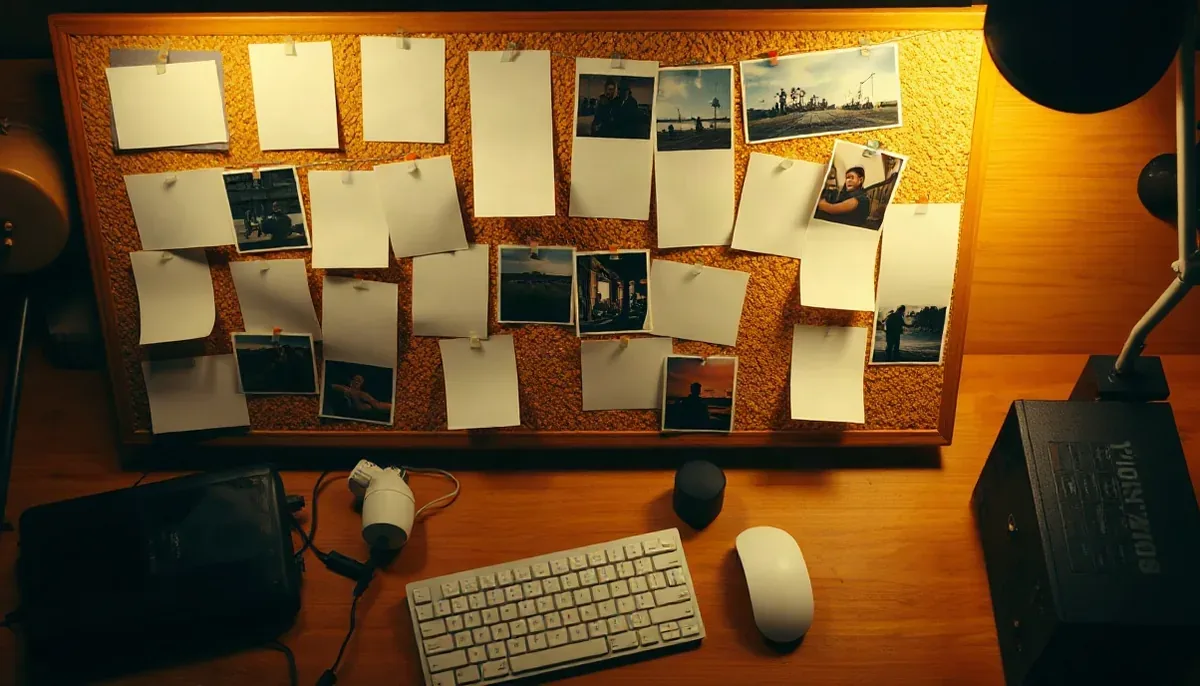
The rough cut answers structural questions. Does the story work in this order? Does every scene earn its place? Are there missing shots, plot holes or scenes that need pickups? Wikipedia's film editing article notes that the first pass is usually much longer than the final film, and that scenes which seemed like good ideas during preparation and shooting often turn out to be tangents that must be trimmed.
One practical guide from the film school Raindance, its six stages of editing, says that in the rough cut the scenes are placed in order and checked for continuity, and that this step allows revisions and new ideas to be tried and tested. It also says a rough cut can take up to three months to complete, although every editor works differently and the length of the stage depends on the project.
Its most useful tip is counterintuitive: make the edit points between scenes obvious, to emphasize the roughness. If a rough cut looks too polished, the team can commit to an edit before it is ready.
What to judge, and what to leave alone
Most unhelpful rough cut feedback comes from reviewing the wrong things. A simple split helps everyone on the review.
| Judge now | Leave for later |
|---|---|
| Story order and clarity | Exact frame of each edit |
| Scenes that drag or repeat | Music and sound design |
| Missing coverage or pickups | Color and grade |
| Performance choices and takes | Titles, graphics and effects |
| Who is speaking, where, and why | Final loudness and mix |
| Overall length and pacing direction | Compression and delivery specs |
The right column is not unimportant; it belongs to later stages, and our guide to the post-production workflow shows where each one fits. Commenting on temp music or an unfinished title during a rough cut makes the editor's job harder, because the note cannot be fixed yet and may distract from the structural problems that can.
Who should see a rough cut
Keep the first audience small. Wikipedia's film editing article describes the editor's cut as a foundation for collaboration with the director, and says that producers, studios and investors are eager to see work in progress while directors and editors often insist the cut does not yet resemble a well-made film. The reason is simple: every additional viewer brings opinions about things that are not finished.
The same article says that in the United States, Directors Guild of America rules give directors a minimum of ten weeks after principal photography on a major theatrical feature to prepare their first cut, and that the studio cannot force a screening during that period. That is a rule for one kind of production, so check current agreements rather than treating it as a general norm. For most client work, the equivalent is a simple agreement about who sees what, and when.
A practical rule for non-feature work: send the rough cut to the people who can answer structural questions, and hold back stakeholders who can only react to polish. If a client must see it, tell them in advance what is deliberately missing.
How to give rough cut notes an editor can use
Good notes make the next cut better. Poor ones start a hunt. These habits help:
- Name the version. Every note belongs to a specific cut, such as v3. Notes about an old version waste time.
- Anchor to a timecode. "Around the middle" is a search task. A timecode is a location.
- Describe the experience. "I lose track of who is speaking here" gives the editor a problem to solve. "Cut to the wide shot" removes their judgment.
- Say why it matters. A note tied to the story, such as "this scene repeats information we already have", is easier to weigh against other notes.
- Separate must-fix from preference. Mark the notes that block the story and let the editor triage the rest.
- Consolidate before sending. Collect feedback from reviewers into one list, flag where they disagree, and let the director or producer decide, rather than sending the editor contradictory instructions.
Keeping notes in a single workspace rather than email threads, screenshots and spreadsheets makes this easier. Our guide to giving feedback on video compares the ways teams do it.
Compare each new cut with the last
A rough cut is rarely the only one. The editor will deliver a second and third pass, each responding to notes, and each one also changes things nobody asked to change. Scenes get moved, shortened or dropped, and a fix in one place can break continuity in another.
Reviewers who rely on memory miss this. A better approach is to watch the new cut against the previous one, with both versions in frame-accurate sync, and confirm two things: that each note was actually addressed, and that nothing else changed unexpectedly. Our guide to side-by-side video comparison covers why drifting players produce false differences, and how to avoid them.
CineVision's PeakView is a review and QA workspace built for this. It is not an editor. Two versions play side by side in frame-accurate sync, notes are tied to exact timecodes, issues can be resolved in the same place, and notes can be exported with timecodes or as JSON for the editorial team. The editor keeps cutting in their own editing system; the review and comparison happens next to it.
A simple rough cut review checklist
Use this as a starting point and adapt it to the project.
- Before screening: confirm the version name, list what is deliberately unfinished, and agree who is reviewing.
- First watch: watch straight through without stopping and write down only your reactions.
- Second watch: pause at problem points, add timecodes, and group notes by scene.
- Triage: mark blocking issues, questions for the director, and preferences.
- After the next cut: compare against the previous version and confirm each note is closed or consciously declined.
From rough cut to the next stage
A rough cut ends when its structure is accepted and the team is ready to tighten it. At that point the review changes character: the question is no longer whether a scene belongs, but how every edit within it lands. That is the job of the fine cut, and once the picture is approved it moves toward picture lock.
Teams that do the rough cut well tend to spend less time later, because structural problems found now are cheap compared with the same problems found after sound and color have started. If your review rounds are where cuts get confused, you can see how PeakView handles side-by-side review on your own footage.