Introduction
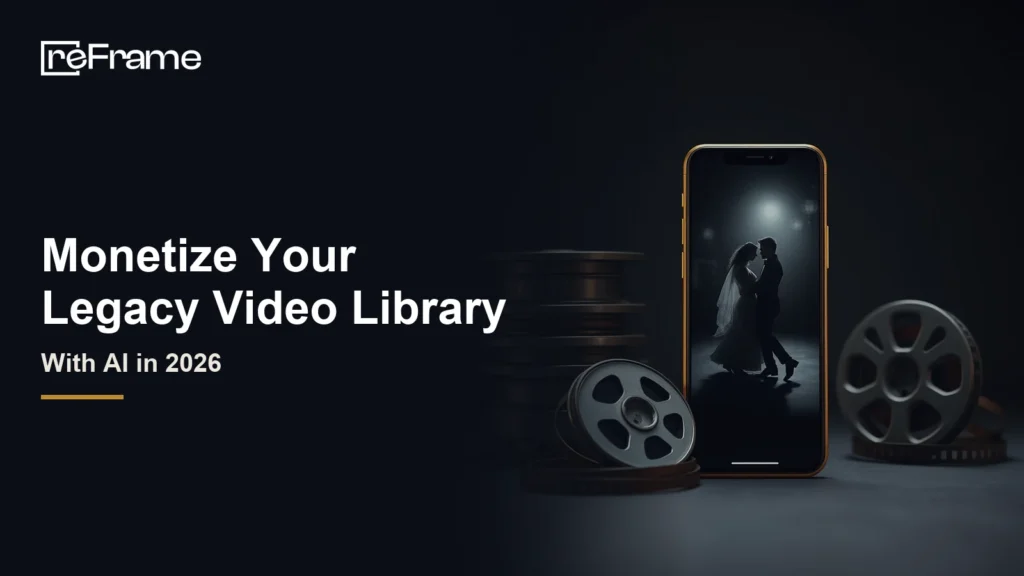
A media company sits on 5,000 hours of archival content — documentaries, classic series, educational films — that generates zero revenue. It exists only in horizontal format and has no modern distribution channel. This is the sleeping catalog problem: valuable intellectual property that is effectively invisible on the platforms where today’s audiences discover and consume video.
This guide provides a concrete monetization playbook for studios, creators, and content owners who have recognized the gap between what their library is worth and what it currently earns. The combination of AI-powered format conversion and no-code streaming distribution has changed the economics of library modernization entirely, and the organizations that act first will establish streaming presence before their niche becomes crowded.
The Sleeping Catalog Problem
Billions of dollars in archival video content sits unreachable on modern mobile platforms because of three compounding barriers: format incompatibility with the 9:16 standard that mobile-first platforms require, the absence of a modern distribution channel designed for mobile viewing, and the perceived cost and complexity of modernizing a large library. The streaming wars of the past decade focused almost exclusively on new content production while archival libraries accumulated in storage.
AI has fundamentally changed the economics of library modernization. What previously required significant investment and years of manual editorial work now costs dramatically less and takes weeks rather than years. The first mover advantage in a content niche is real: the studio or creator that establishes a streaming presence in an underserved niche before competitors do will retain audience loyalty through catalog depth that new entrants cannot replicate.
The AI-Powered Monetization Playbook
A six-stage process for moving from a dormant library to an active revenue stream. Each stage has a clear deliverable and a realistic timeline for organizations at different scales.
Stage one — Library audit and prioritization: catalog existing video assets by content type, audience relevance, licensing status, and mobile optimization potential. Not all content in a library is equally valuable on modern platforms. A documentary series with an engaged niche audience has different conversion priority than a one-off corporate production from a decade ago. Prioritization prevents the workflow from becoming paralyzed by the scale of the full library before any content goes live.
Stage two — AI-powered vertical conversion: process prioritized content through an intelligent aspect ratio conversion system that preserves production quality while adapting the format to 9:16 for mobile-first platforms. The conversion should add visual information to the frame rather than remove it.
Stage three — Metadata enrichment and content tagging: add accurate, keyword-rich metadata to every piece of converted content. Titles, descriptions, and tags determine discoverability on streaming platforms and in search results. Poor metadata means converted content that no audience can find.
Stage four — Distribution strategy selection: choose between FAST, SVOD, TVOD, or a hybrid model based on the content type, target audience, and operational capacity of the content owner. Different content performs optimally under different monetization structures.
Stage five — Platform launch: configure and launch a branded streaming platform that houses the converted library and provides a viewer experience that reflects the quality of the content. The platform is the first impression; it should feel as premium as the content it carries.
Stage six — Revenue tracking and optimization: establish KPIs from day one and review performance data monthly. Which titles drive the most subscriber retention? Which content categories generate the strongest advertising revenue? Use the data to inform prioritization for the next conversion cycle.
Revenue Scenarios and Projections
Three representative scenarios illustrating the revenue potential of library monetization at different scales. These figures are based on industry benchmarks and should be calibrated to specific content types and audience profiles.
A mid-size factual and documentary library on a FAST channel with a growing connected-television audience can generate meaningful ad revenue from CPMs that reflect the quality of the content niche. Factual programming and documentary content command premium CPMs from advertisers targeting engaged, educated audiences. The FAST model requires no subscriber acquisition cost — the channel is free — and generates revenue from every view regardless of whether the viewer ever pays for a subscription.
A curated SVOD library in a specific content niche with several thousand paying subscribers at a standard monthly price generates predictable, recurring revenue that scales directly with subscriber acquisition. Each successful content release that drives new subscriptions increases the recurring revenue base permanently.
A hybrid model combining a free FAST channel for discovery and an SVOD premium tier for committed subscribers captures both audience scale and per-subscriber revenue depth. The FAST channel funds itself through advertising while functioning as a continuous acquisition funnel for the paid tier.
Vertical Conversion as a Revenue Multiplier
AI-powered vertical conversion multiplies the revenue potential of existing content across several specific mechanisms. It unlocks access to platform brand partnership programs that require native vertical content — partnership programs that horizontal-only content cannot qualify for. It enables short-form social media distribution that drives traffic back to the subscription platform, with cliffhanger tagging automatically surfacing the highest-impact moments from each title for social media clips. It qualifies content for short-form monetization programs on platforms that compensate creators for native vertical content performance. And it allows the same piece of content to generate revenue across multiple distribution channels simultaneously: horizontal on connected television and premium streaming platforms, vertical on mobile-first apps and social channels.
Choosing the Right Distribution Model for Your Library
The decision between FAST, SVOD, TVOD, and hybrid models should account for three variables: the nature of the content, the size and engagement of the existing audience, and the operational capacity of the content owner.
FAST is the right entry point for libraries with high volume and broad audience appeal, where building audience scale is the priority before introducing a paid tier. It provides revenue from day one without requiring subscriber acquisition.
SVOD suits libraries with niche, deeply engaged audiences who value consistent access to a specific content category and are willing to pay a monthly fee for it. The subscription model requires enough content depth to justify the ongoing cost in the subscriber’s mind.
TVOD suits libraries built around individual titles that have standalone value — films, events, masterclasses — where viewers are willing to pay per piece rather than commit to a monthly subscription.
Most libraries benefit from a staged approach: launch with FAST to build audience awareness and generate early revenue, then introduce an SVOD tier once subscriber demand and brand recognition are established in the market.
Conclusion
A sleeping catalog is not a liability — it is an unmined asset. The combination of AI-powered vertical conversion and no-code streaming distribution has made it possible for any content owner, regardless of technical infrastructure or production budget, to turn archival content into active, recurring revenue. The first step is an honest audit of what is in the library and what the highest-potential content would look like on a modern mobile streaming platform. Close by inviting the reader to speak with the Cinevision team about their specific library and what a conversion and launch timeline would look like for their content.